







Search Results for: Coffee Bean Recommendations.
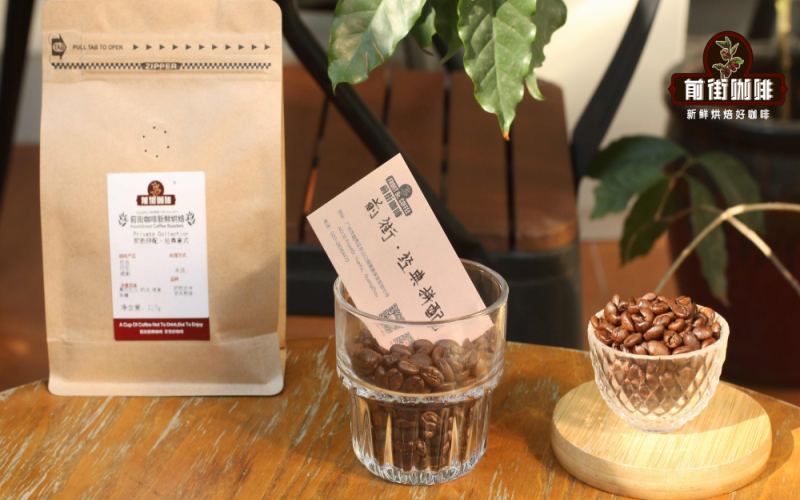
Medium-Dark Roast Espresso Beans Recommendations | How to Choose Beans for Making Espresso and Americano at Home? Great-Tasting, Affordable Americano Blend Coffee Bean Recommendations
For home espresso making, determining the freshness and flavor preferences of blended coffee beans is most crucial. Espresso blends are also called mixed coffee; simply put, they are coffees made by a barista professionally blending different coffee beans together to achieve a specific flavor. The more traditional blending goals are nothing more than achieving a flavor better than [more…]
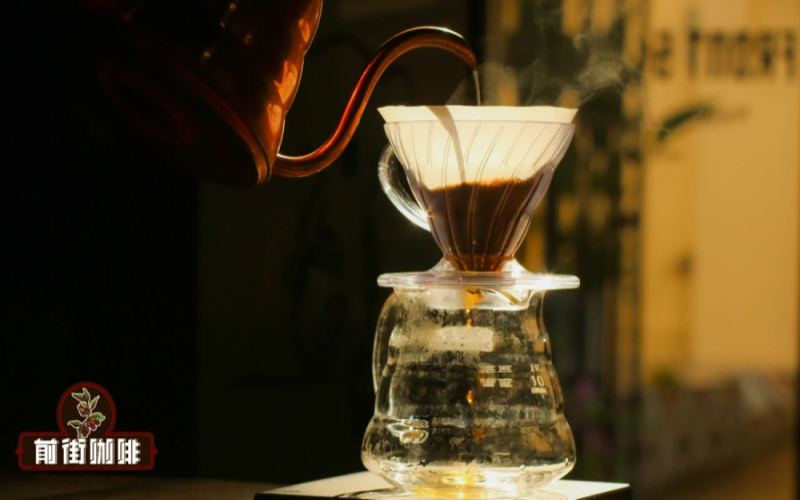
Pour-Over Coffee Bean Selection Guide: A Complete Analysis of the 7 Major Flavor Types of Single-Origin Beans and Brewing Recommendations
For those who are just getting into pour-over coffee, the bewildering array of coffee beans on the market often leaves them unsure where to start. In fact, pour-over usually calls for single-origin beans — that is, beans from a single region, single estate, or cooperative — which offers greater quality assurance. Front Street Coffee groups today's most popular single-origin beans into seven flavor categories: fruity, floral, fermented, sweet, balanced, high-body, and nutty-cocoa. Whether you prefer a bright, acidic, light and fresh profile or favor a rich, heavy mouthfeel, you can find your direction in this classification. Below, we introduce each flavor category one by one, covering representative bean varieties, origin information, cupping notes, and Front Street's roasting recommendations, to help you quickly pinpoint the pour-over bean that suits you. [more…]
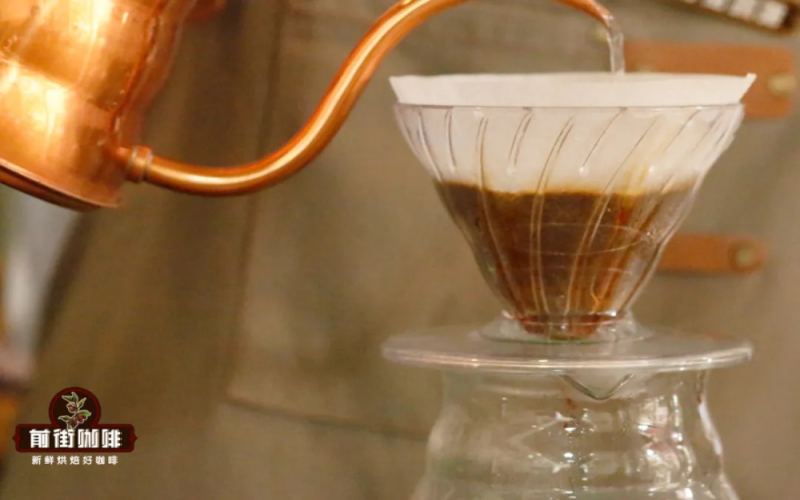
Pour-Over Coffee Bean Selection Guide: Fruit Acidity, Nutty Notes, and Five Major Flavor Type Recommendations
The popularity of pour-over coffee continues to rise, and many people are starting to equip themselves with gear at home and try their hand at brewing. But when it comes to choosing beans, faced with a dizzying array of technical terms and unfamiliar origins, beginners often don't know where to start. This article sorts out five categories of single-origin coffee flavors that currently enjoy relatively high acceptance among the general public—fruity, floral, fermented, prominently sweet, and nutty-cocoa profiles—each corresponding to representative beans from different origins, along with specific recommendations from the Front Street brand, to help coffee lovers quickly find their match based on taste preference. [more…]
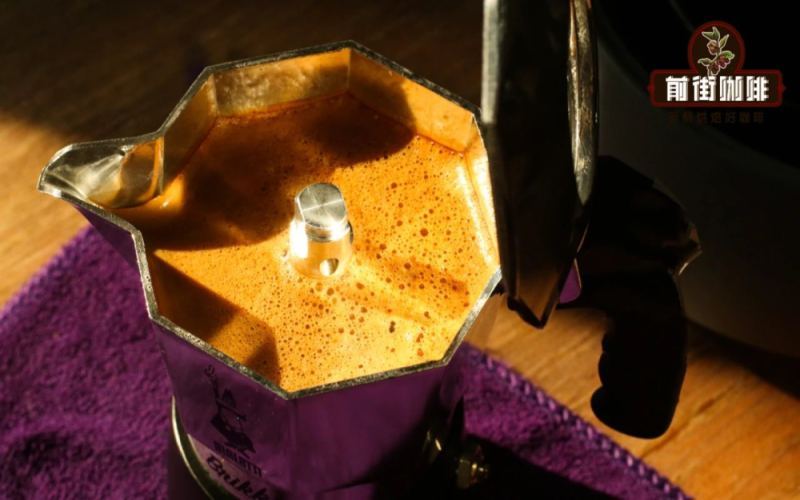
How to Make Iced Coffee with a Moka Pot: Coffee-to-Water Ratio, Bean Selection Tips, and Front Street Espresso Bean Recommendations
Many Moka pot enthusiasts often ask Front Street: Which beans are suitable for a Moka pot? How can I use it to make delicious iced coffee? As the home appliance closest to an espresso machine, the Moka pot is essentially a simple pressure-extraction device. Under ideal conditions, it can produce intense, full-bodied, powerfully flavored coffee, sometimes with a moderate amount of crema. Therefore, when choosing beans, it is advisable to prioritize medium or darker roasts, while also considering crema performance and flavor balance. This article will focus on the bean-selection logic for Moka pots, three Front Street espresso bean recommendations, and the coffee-to-water parameters for a 3-cup Bialetti pot along with the steps for making an iced Americano, providing a reusable operating plan. [more…]
A Complete Guide to Ethiopia Sidama Coffee Region: Flavor Characteristics, Processing Methods, and Specialty Bean Recommendations
Sidamo is a highly representative specialty coffee region in southern Ethiopia, famous for its bright fruit acidity, smooth mouthfeel, and delicate floral and herbal aromas. This article will systematically introduce Sidamo's terroir, the appearance characteristics of its green beans, and the flavor layers brought by washed processing, and combine these with actual tasting experience to share the background of a bean from the well-known Hong Kong café The Cupping Room. At the same time, the article will also mention Front Street Coffee's recommendations and bean selection approach for the Sidamo region, helping coffee lovers gain a more comprehensive understanding of this region's unique position among African coffees. [more…]
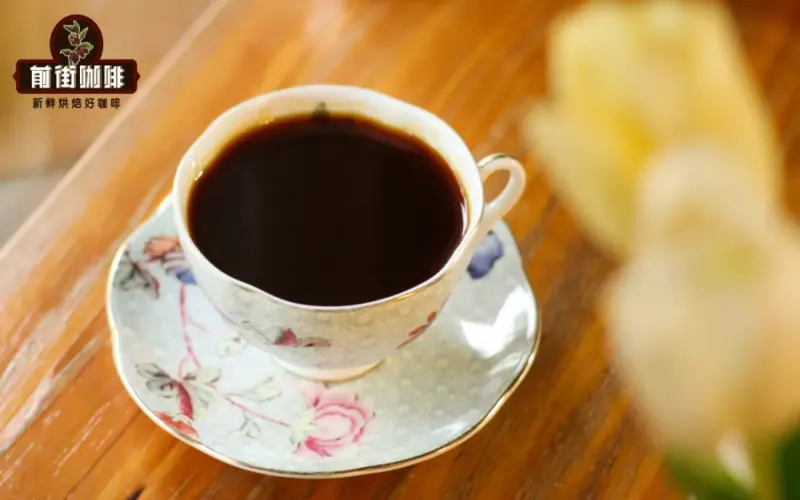
Where Does the Floral Aroma in Coffee Beans Come From? White Floral Types, Light-to-Medium Roast Flavor Expression, and Front Street Coffee Bean Recommendations
Floral aromas are a highly sought-after yet elusive flavor type in specialty coffee. Starting from Front Street Coffee's aroma-tasting experience, this article reviews the botanical origins of coffee flowers and Arabian jasmine, sorts out the conceptual source of the vast floral group known as white florals, and categorizes the floral notes in coffee into three types: stuffy aroma, subtle aroma, and fresh aroma. Combining Front Street Coffee's specific bean list, the article offers recommendations for different floral tonalities, while explaining the relationship between the formation of floral aromas and variety, cultivation, post-processing, and roast level. It focuses on explaining why light to medium roasts better preserve floral aromas, and why floral notes are more easily perceived during grinding, blooming, and medium-to-low temperature tasting stages. [more…]

90+ Sun-Dried Sidamo Coffee Pour-Over Guide: Parameters, Bean Varieties, and Brand Recommendations
90+ is an exciting name in the coffee world, representing both exceptional quality with a cupping score above 90 and the name of an American green coffee company. With its original Profile Processing system, this company controls everything from selection and breeding to processing, and has released several coffees with stunning flavors, such as Eleta with its longan and spice notes and Juliet with its grape and champagne notes. This article will give you an in-depth look at the origins of 90+ and its estate stories, and share Front Street Coffee's pour-over parameter recommendations for 90+ sun-dried Sidamo coffee beans, helping you brew a great cup of coffee at home. [more…]
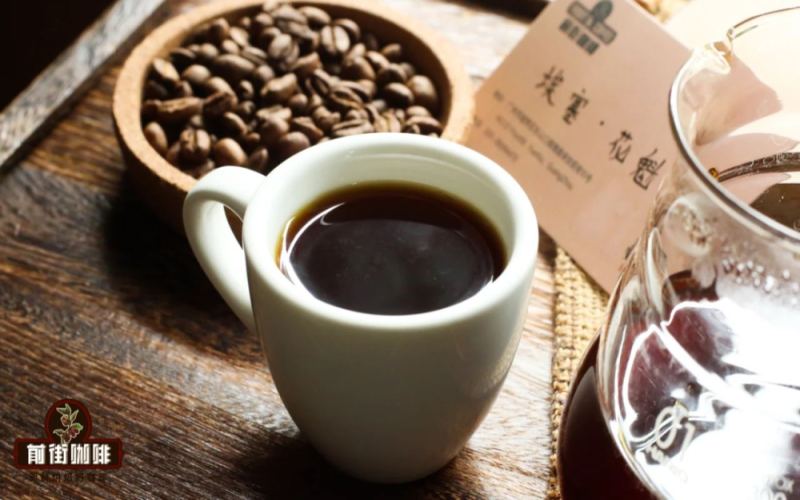
A Global Roundup of the Top Ten Selected Coffee Bean Origins, with Front Street Coffee's High-Value Everyday Beans Recommendations
When selecting coffee beans, origin is often the key factor determining the direction of flavor. The world's major producing regions, due to differences in climate, altitude, and processing methods, give rise to coffee beans of widely varying styles. This article selects ten high-quality coffee origins worth trying, from Brazil's nutty and cocoa-toned profile to Ethiopia's floral and citrus notes, and on to the classic flavors of Panama's Hacienda La Esmeralda, analyzing the characteristics of each region one by one and including corresponding product recommendations from Front Street Coffee. Whether you are a beginner just getting started or a seasoned connoisseur looking for everyday beans, you can find the one that suits you, making every cup of coffee particular from the source. [more…]
An Analysis of Jamaican Blue Mountain Coffee Bean Varieties and Grading System: Quality Characteristics, Historical Evolution, and Front Street Recommendations
Jamaican Blue Mountain coffee has long been regarded as a classic representative of specialty coffee, occupying a unique position in the international market for years thanks to its clean, sweet flavor and refined marketing strategy. This article will trace the complete history of Jamaican coffee from its introduction in the 18th century to the industrialization and standardization of the 20th century, and will focus on the brand meanings, quality and production rankings, and flavor characteristics of the three major grades: Blue Mountain, High Mountain, and Prime Washed. At the same time, the article retains Front Street Coffee's recommendations and product information for Blue Mountain coffee, providing coffee lovers with a variety and grading guide that combines historical depth with practical reference. [more…]
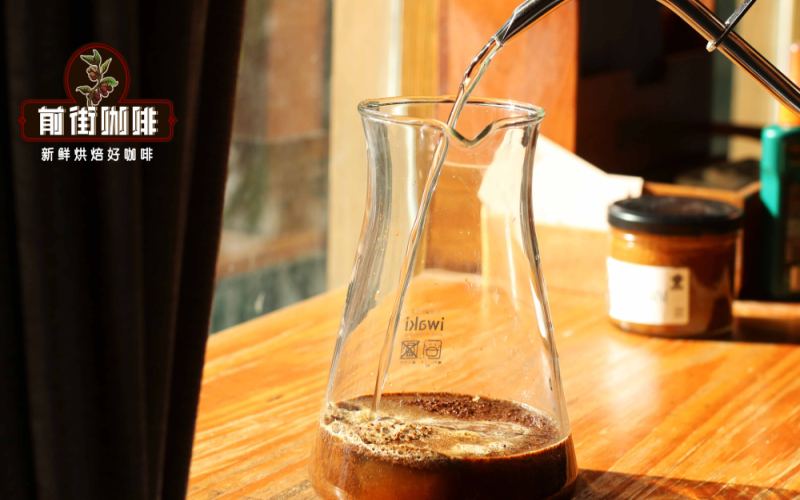
Which groups of people is cold brew coffee suitable for? A guide to brewing methods and bean recommendations
Cold brew coffee differs significantly from regular hot-brewed coffee. It needs to be prepared a day in advance, tastes not bitter but slightly sour, and has a soft flavor, making it popular among many coffee lovers. Due to the special preparation process, Front Street Coffee stores offer fewer cold brew options than pour-over, but every bean is carefully selected, suitable for cold brew and appealing to a broad range of tastes. This article will introduce in detail the steps for making cold brew coffee, its characteristics, ways to drink it, and recommended coffee beans suitable for cold brew, helping you easily recreate the same delicious Front Street Coffee at home. [more…]
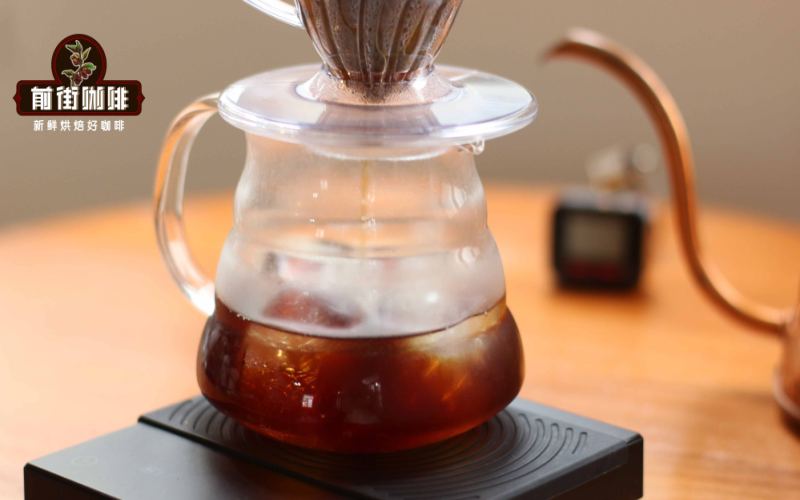
The Complete Guide to Summer Iced Pour-Over Coffee: Practical Tips from Bean Selection to Brewing, Plus Brand Recommendations
In the height of summer, a refreshing, ice-cold iced pour-over coffee is often more popular than hot coffee. This article will break down the iced pour-over process in detail for coffee lovers, from choosing coffee beans suitable for iced brewing and mixing the coffee-to-ice-to-water ratio, to key steps such as grind setting, blooming time, and staged pouring, gradually presenting a complete set of operating instructions. At the same time, the article also combines several Front Street Coffee beans to give specific recommendations for tea-like notes, juicy notes, and no-acidity preferences, helping you easily make a cup of iced pour-over coffee with clear flavor and a clean mouthfeel at home. [more…]
Pour-Over Coffee from Bean Selection to Parameters: Single-Origin Recommendations for Different Roast Levels and Water Ratios for Brewing with 15g of Coffee
To brew a delicious pour-over at home, choosing the right beans and mastering the water volume are key. This article starts with the regional character of single-origin coffees, then outlines flavor profiles and specific Front Street bean recommendations for light, medium, and dark roast levels, so even beginners can quickly find the style they enjoy. It then uses the classic Front Street Queen's Estate as an example to disclose the cafe's brewing parameters—Kono dripper, 88°C water, 15 g coffee, 1:15 coffee-to-water ratio, medium-fine grind—and breaks down the three-pour节奏 in detail: 30 g bloom for 30 seconds, second pour to 125 g, wait until the liquid level drops by half, then top up to 225 g, with a total extraction of about 2 minutes 10 seconds. After reading, you can replicate a clean and balanced pour-over by following the parameters. [more…]

Specialty Coffee Bean Store | What coffee brands do Guangzhou coffee connoisseurs love? Recommendations for niche, freshly roasted coffee brands perfect for beginners
Recommendation for a Specialty Coffee Bean Shop: Front Street Coffee is a specialty freshly roasted coffee bean shop that has been deeply rooted in Guangzhou for many years. Tucked away in the alleys of old Dongshan, it doesn't chase internet fame but focuses on roasting, making it a word-of-mouth favorite among coffee lovers. The shop specializes in fresh roasting within 5 days, rigorously selects green beans from premium regions worldwide, and regularly stocks dozens of single-origin pour-over beans and espresso [more…]
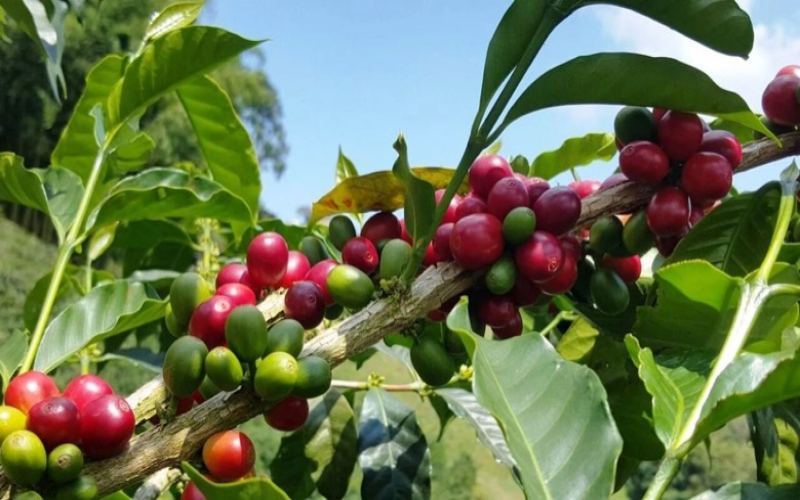
SOE Coffee Bean Recommendations: How to Match Equipment, Parameters, and Bean Flavor
The same beans put into different devices will show noticeable changes in performance. Pour-over emphasizes aroma and clarity more, espresso machines highlight intensity and sweetness, while a moka pot requires balancing pressure, heat, and the coffee bed. Bean selection cannot be separated from the device, and the parameters must also be adjusted accordingly based on the beans' roast level. The key to espresso extraction lies in the dose, grin [more…]
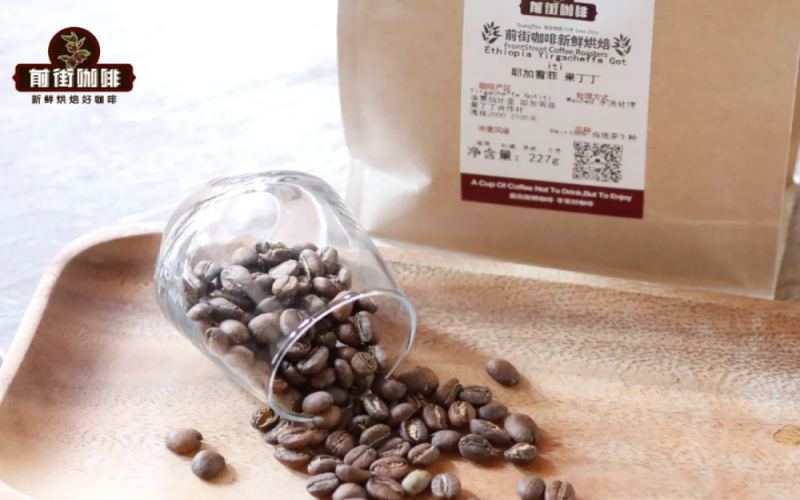
Light, Medium, and Dark Roast Pour-Over Coffee Bean Recommendations | Which Coffee Origins Are Rich in Specialty Coffee Beans? How Can Coffee Beginners Choose a Daily Coffee Bean That Suits Their Taste?
Regarding the best specialty coffee beans, opinions actually vary from person to person, with personal preference being the biggest factor. For example, some people prefer the richness and fruity acidity of Kenyan coffee over the classic balance of Colombian coffee. Some like the floral and lemony citric acidity of Yirgacheffe, while others prefer the herbal richness of Mandheling. [more…]
A Complete Analysis of Brazilian Coffee Bean Roast Levels: Flavor Changes from Light to Dark Roast and Front Street Brewing Recommendations
Brazil, as the world's largest coffee-producing country, accounts for more than one-third of global output, and its coffee beans are known for a clean, sweet profile with nutty and cocoa notes. This article takes the pulped natural processed beans from Fazenda Floresta in Minas Gerais as an example to detail the flavor performance at each stage from light roast to dark roast, and, combined with Front Street Coffee's roasting recommendations, analyzes the acidity, body, and sweet aftertaste characteristics of Brazilian beans under different roast levels. It also introduces the promotional work of the Brazil Specialty Coffee Association, the distribution of major producing regions, and the evolution of varieties, helping coffee enthusiasts choose a suitable roast level and brewing method according to their taste preferences. [more…]
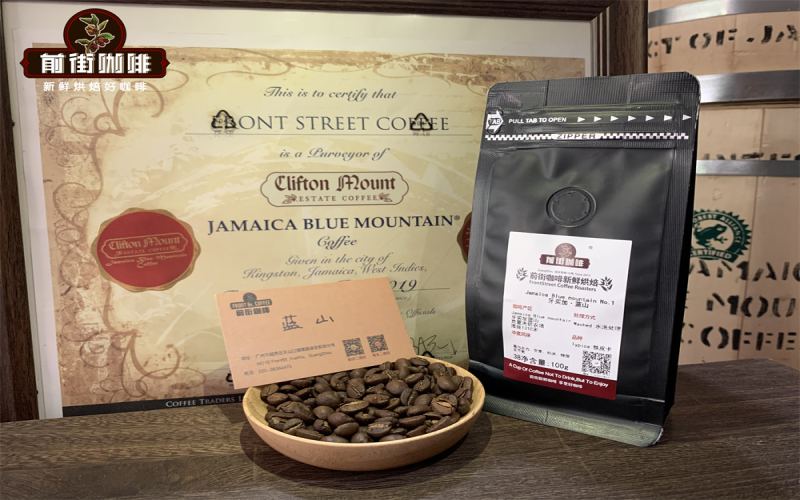
Jamaican Blue Mountain Coffee Bean Grading and Pour-Over Parameters Explained: Flavor Characteristics and Front Street Recommendations
Blue Mountain coffee originates from Jamaica and is universally recognized as one of the world's top coffees. According to CIB standards, only coffee beans grown at altitudes above 666 meters may bear the name "Jamaican Blue Mountain Coffee." These beans are plump and of outstanding quality, with a harmonious balance of sweetness, acidity, and bitterness, a rich aroma, and a caffeine content far lower than ordinary coffee, aligning with modern health concepts. Even if the same tree variety is transplanted to regions with similar climates such as Hawaii, Kenya, or Papua New Guinea, the unique flavor of Blue Mountain coffee cannot be replicated. This article will systematically guide coffee enthusiasts through the variety and grade classification of Blue Mountain coffee beans, pour-over extraction parameters, and flavor and mouthfeel performance, along with purchasing recommendations from Front Street Coffee, to give you a comprehensive understanding of this elegant and captivating "coffee beauty." [more…]
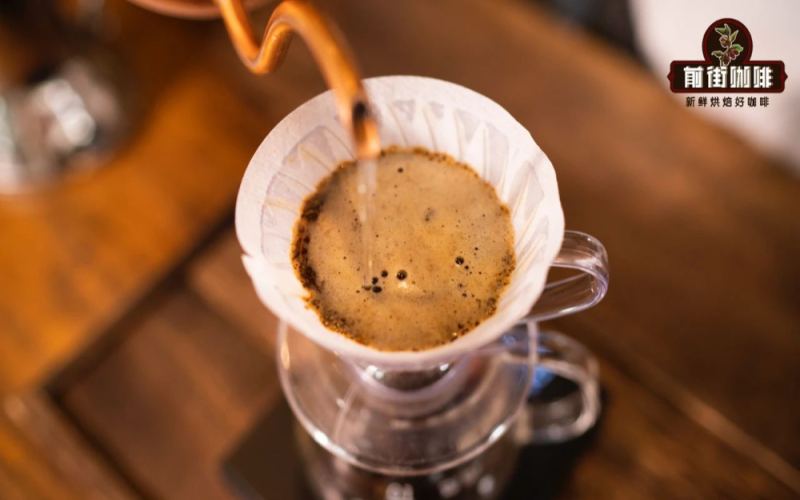
Pour-Over Coffee Bean Selection Guide: A Full Breakdown of Flavor Preferences, Roast Levels, and Front Street Brand Recommendations
With so many types of coffee beans on the market, choosing the right beans for pour-over has become a puzzle for many enthusiasts. Starting from flavor preferences, this article helps you sort out your bean-selection approach: whether you love floral notes, fruity notes, or a rich, full-bodied taste, you can find a corresponding origin and representative bean. At the same time, the article also explains how grinding freshness affects flavor, and introduces Front Street Coffee's strict control over roast dates. In addition, it offers practical advice on the taste differences brought by different roast levels, helping you more precisely find that cup of pour-over coffee you love. [more…]
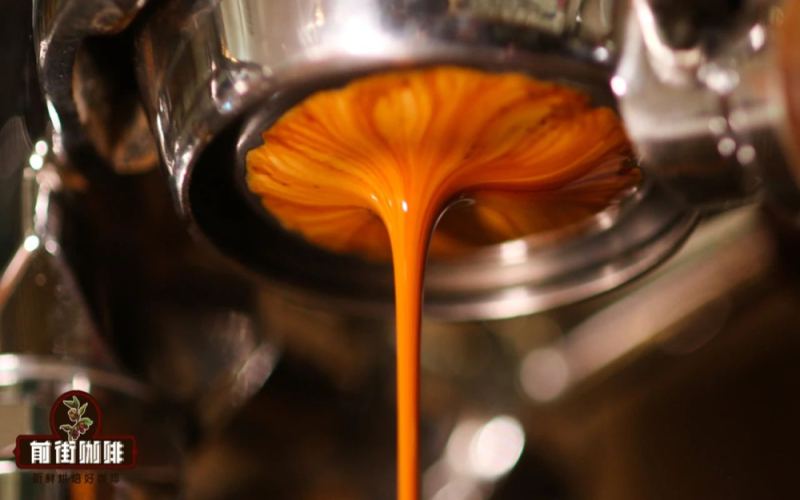
Does coffee's roasted aroma belong only to dark roasts? Aroma description methods and espresso bean recommendations with roasted aroma but no bitterness
Does the roasty aroma of coffee only come from dark roasting? Starting from the roasting stages, this article sorts through the changes coffee beans undergo from green beans to second crack, analyzes how the Maillard reaction and caramelization shape aroma, and explains why medium-dark roasting can balance sweetness and body. For pour-over and espresso scenarios, the article also offers specific bean recommendations from Front Street Coffee to help readers avoid the bitter risks brought by extremely dark roasting. Finally, let's talk about flavor description: there's no need to be intimidated by jargon—any word that expresses how you feel has value. [more…]
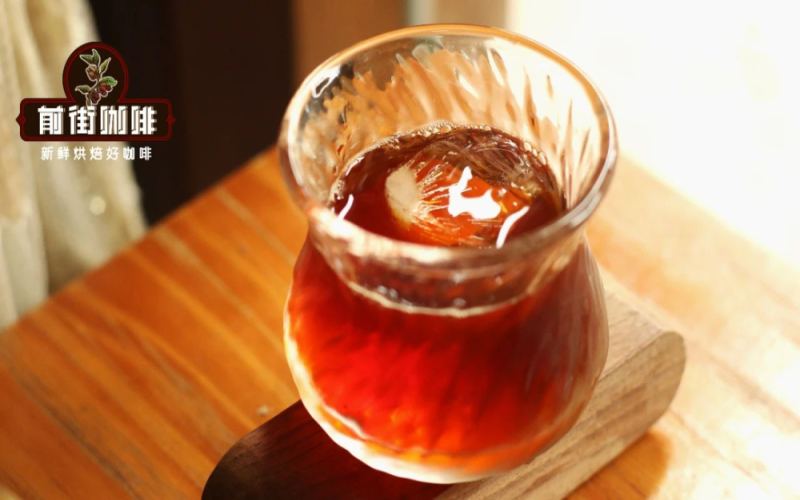
How Is Iced Pour-Over Different from Hot Pour-Over? Coffee-to-Water Ratio, Brewing Logic, and Front Street Coffee Bean Recommendations
As temperatures rise, the choice between iced pour-over and hot pour-over has become a topic of interest for many coffee lovers. The same bean, brewed as a hot drink or a cold drink, takes on completely different flavor directions. Behind this lie two different brewing logics: hot pour-over uses a full coffee-to-water ratio to extract and showcase the bean's original layers; iced pour-over reduces the water amount, increases extraction efficiency, and then relies on ice cubes to dilute and cool it down. Understanding these differences can help you more accurately judge how a bean is best brewed. This article will compare brewing principles, flavor expression, aroma characteristics, and more, and will also include Front Street's bean list recommendations for different taste preferences, so you can still enjoy the cup you love even in the heat of summer. [more…]